Google Ads Agency for Health & Wellness Brands
Clientele
















Why Health & Wellness Brands Struggle to Turn Google Ads Into Sales
01
High-Intent Searches Don't Always Lead to Purchases
02
Advertising Costs Can Outpace Revenue Growth
03
Product Feeds and Campaign Structures Limit Ecommerce Performance
How We Build a Google Ads Strategy for Health & Wellness Brands
Understand Your Products, Audience and Commercial Goals
Map Search Intent to the Right Campaigns
Structure Campaigns and Optimize Product Information
Improve the Journey From Click to Conversion
Measure Performance and Refine Campaigns
Understand Your Products, Audience and Commercial Goals
Map Search Intent to the Right Campaigns
Structure Campaigns and Optimize Product Information
Improve the Journey From Click to Conversion
Measure Performance and Refine Campaigns
Real Results Through Performance Marketing
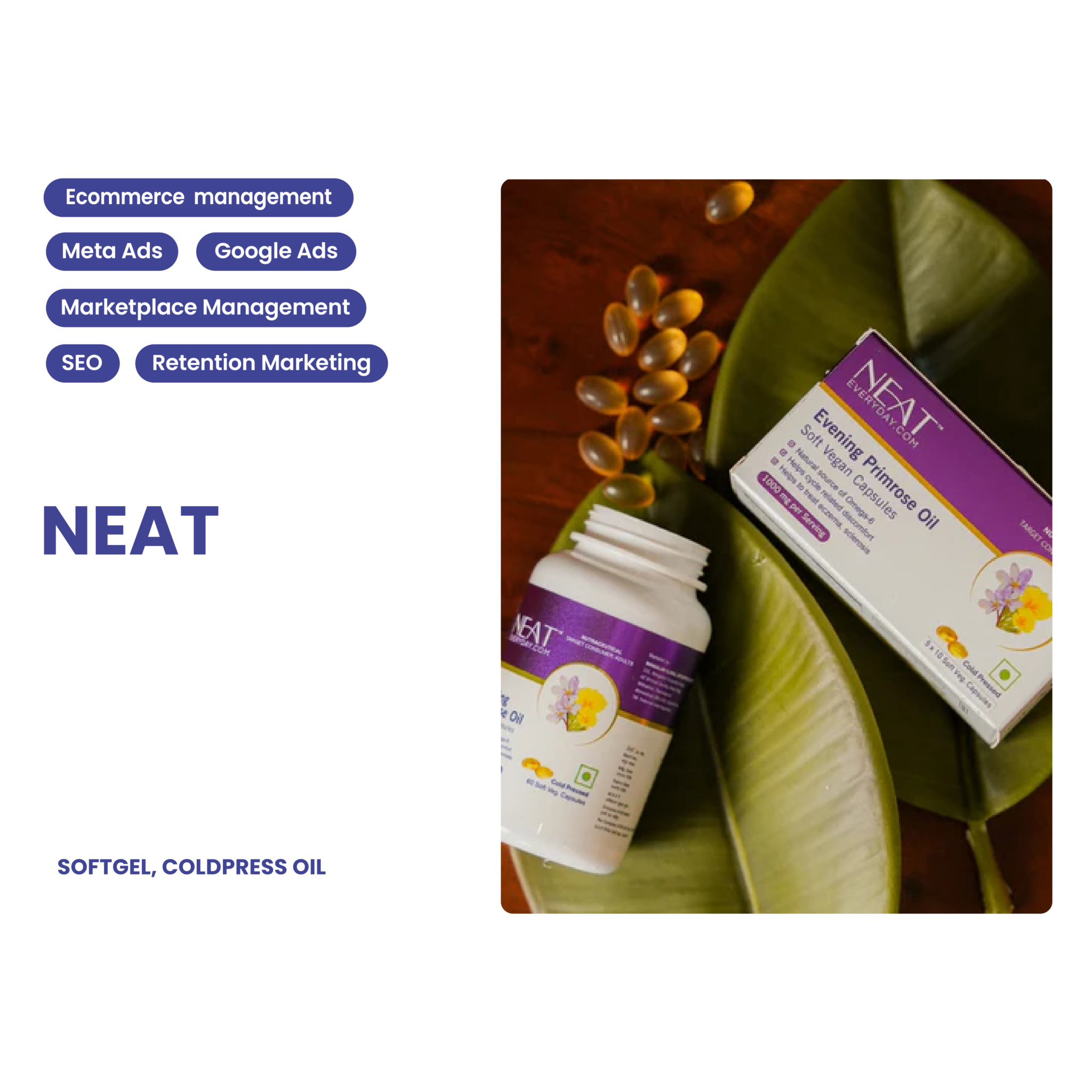
Softgel Capsules | Cold pressed oils
Google Ads Services for Health & Wellness Brands
Why Choose Growthify as Your Growth Marketing Partner?
Growthify is synonymous with transformative growth.
At our core, we’re a revenue-focused company dedicated to improving growth and efficiency across your business. We specialize in targeted channels and leverage deep operational expertise to deliver tangible outcomes either by increasing revenue or reducing operational inefficiencies.
We solve complex enterprise challenges across sales, marketing, and operations through performance marketing, scalable technology systems, and CRM-led execution.
In essence, we act as your strategic operating partners managing, building, and scaling your business online. With a sharp focus on growth levers, financial clarity, and execution discipline, we help businesses move from chaos to control.
Think of us as catalysts for transformation : combining experience, systems, and ownership to drive measurable, sustainable growth.
Who We’re Best Suited For
Growthify has hands-on experience across 15+ business categories, working with brands facing real growth complexity, not early experimentation. With nearly half a decade of operator-led execution, we understand what breaks at scale and how to fix it. Our approach adapts to complexity, volume, and ambition, not just industry labels.
Fashion
Jewellery
Furniture
Home & Decor
Eyewear
Health & Fitness
Frequently Asked Questions About Google Ads for Health & Wellness Brands
IS EXECUTION HOLDING YOUR BUSINESS BACK?
Growth slows down when execution can't keep up with scale.
Performance marketing
We help D2C and B2B brands scale profitably using ads and data by fixing broken funnels, improving predictability, and building revenue engines that last.
Technology
From websites to CRM and automation, we build and implement scalable technology systems that remove operational bottlenecks and support growth at volume without compromising stability.